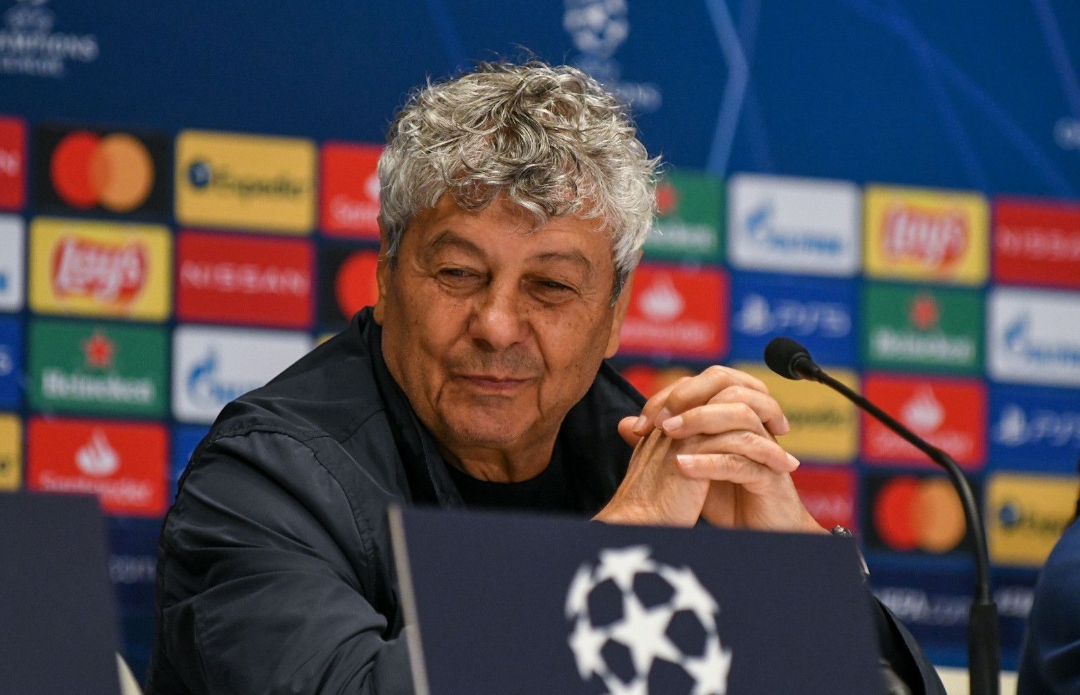
Age, Nationality, and Identity
Mircea Lucescu was born on July 29, 1945, in Bucharest, Romania. At the time of his death on April 7, 2026, he was 80 years old. Throughout his life, he remained deeply connected to his Romanian roots, proudly representing his country both as a player and as a manager.
Early Life and Background
Growing up in Bucharest during a challenging post-war era, Lucescu developed a strong sense of determination early in life. Football quickly became his escape and passion. As a young boy, he spent countless hours honing his skills, eventually joining local training systems that recognized his natural talent.
His early football education began at youth institutions in Bucharest, where he stood out for his intelligence on the ball rather than just physical ability. Even at a young age, he demonstrated leadership qualities that would later define his career.
Education and Intellectual Influence
Unlike many footballers of his era, Lucescu placed strong emphasis on education and personal development. He believed that footballers should be intellectually equipped, not just physically trained. Throughout his life, he encouraged players under his management to read, learn languages, and develop cultural awareness.
He himself was known to be highly educated and multilingual, speaking several languages fluently. This intellectual approach allowed him to adapt seamlessly across countries and connect deeply with players from different backgrounds.
Family, Wife, and Children
Behind his professional success was a stable and enduring family life. Lucescu was married to Nelly Lucescu, a relationship that lasted nearly six decades. Their marriage stood as a symbol of loyalty and stability, even as his career took him across multiple countries.
He had one son, Răzvan Lucescu, who followed in his father’s footsteps to become a successful football manager. Their relationship was often described as both personal and professional, with Mircea serving as a mentor and inspiration.
Playing Career
Rise with Dinamo București
Lucescu’s professional playing career began with Dinamo București, where he quickly established himself as a key player. Operating primarily as a winger, he was known for his intelligence, creativity, and consistency.
Over the years, he became one of the club’s most important figures, contributing to multiple domestic titles. His ability to read the game set him apart from many of his contemporaries.
International Career with Romania
Lucescu also had a significant international career with the Romania national football team. He earned over 60 caps and had the honor of captaining his country.
One of the highlights of his playing career came during the 1970 FIFA World Cup, where he represented Romania on the global stage. His leadership during this period further cemented his reputation as a thinker of the game.
Coaching Career
Early Steps into Management
After retiring as a player, Lucescu transitioned into coaching almost immediately. His early years included managing Romanian clubs and even taking charge of the national team at a relatively young age. These formative years allowed him to develop his tactical philosophy.
Experience in Italy
Lucescu expanded his career into Western Europe, managing clubs such as Inter Milan and Brescia. Although his time in Italy was challenging, it exposed him to high-level competition and refined his tactical approach.
Breakthrough in Turkey
His managerial reputation soared during his time in Turkey. With Galatasaray, he achieved European success by winning the UEFA Super Cup. He later continued his success with Beşiktaş, winning domestic titles and earning widespread respect.
Legendary Era at Shakhtar Donetsk
Lucescu’s most iconic period came with Shakhtar Donetsk. Over more than a decade, he transformed the club into a dominant force in Ukrainian football and a respected name in Europe.
He built a unique footballing model that blended local talent with Brazilian flair. Under his leadership, Shakhtar won numerous league titles and achieved European glory by lifting the UEFA Cup in 2009. This period defined his legacy as a world-class manager.
Later Years and Return to National Duty
In the later stages of his career, Lucescu continued to manage at a high level, including roles at Zenit Saint Petersburg and Dynamo Kyiv. His ability to remain relevant across decades was a testament to his adaptability.
He eventually returned to manage Romania’s national team, bringing his vast experience back to his home country.
Teams Coached
Throughout his career, Lucescu managed a wide range of clubs and national teams across Europe. His journey took him through Romania, Italy, Turkey, Ukraine, and Russia. Each team he coached reflected his philosophy of discipline, structure, and intelligent play.
Major Achievements and Trophies
Mircea Lucescu’s career was decorated with numerous trophies and accolades. He won league titles in multiple countries, domestic cups, and European honors. His UEFA Cup victory with Shakhtar Donetsk remains one of his most celebrated achievements.
What made his success unique was not just the number of trophies but the consistency with which he achieved them across different leagues and football cultures.
Net Worth
Over the course of his long career, Lucescu accumulated significant wealth through coaching contracts and bonuses. His estimated net worth ranged between $10 million and $20 million, reflecting decades of work at top clubs across Europe.
Death and Cause of Death
Mircea Lucescu passed away on April 7, 2026, in Bucharest at the age of 80. His death was linked to serious cardiac complications following a medical emergency.
In the months leading up to his passing, he had experienced health challenges, including a collapse during training. Despite medical intervention, his condition worsened, ultimately leading to his death.
His passing triggered tributes from across the football world, with players, clubs, and organizations honoring his immense contributions to the sport.
Personal Life and Character
Lucescu was widely regarded as a disciplined and intellectually driven individual. He valued education, culture, and personal growth, often encouraging players to think beyond football.
He was also known for his strong personality on the touchline, combining strict expectations with deep care for his players. Many of those he coached described him as both demanding and inspirational.
Conclusion
The journey captured in this Mircea Lucescu Biography is one of excellence, resilience, and lasting impact. From his early days in Bucharest to becoming a global football icon, Lucescu’s life was defined by dedication to the game.
Even after his passing in 2026, his legacy continues to inspire coaches, players, and fans around the world. He remains one of football’s most enduring and respected figures.
FAQs
Who was Mircea Lucescu?
Mircea Lucescu was a Romanian football manager and former player known for his long and successful career in European football.
How old was Mircea Lucescu when he died?
He was 80 years old.
What was Mircea Lucescu famous for?
He was famous for his success as a football manager, especially with Shakhtar Donetsk.
Which clubs did he coach?
He coached several major clubs, including Inter Milan, Galatasaray, Beşiktaş, Shakhtar Donetsk, and Dynamo Kyiv.
Did he play for Romania?
Yes, he represented Romania and captained the national team.
What was his biggest achievement?
Winning the UEFA Cup in 2009 with Shakhtar Donetsk is considered one of his greatest achievements.
What caused his death?
He died due to heart-related complications.